

Workday’s decision to make select Community resources publicly available including the Administrator Guide, course manuals, and implementation materials marks a welcome shift in how organizations access technical information. Here is the public link (available now).
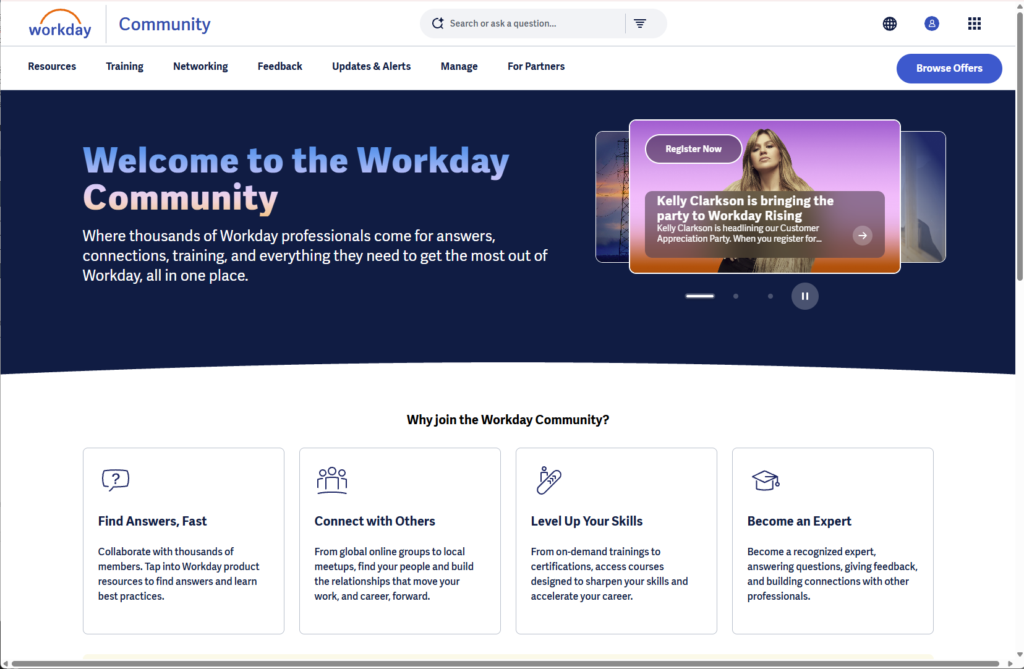
At Teamup9, we strongly support knowledge sharing. When information is accessible, business leaders, functional managers, and analysts gain a clearer understanding of what Workday can do. However, open documentation can also present a double-edged sword: without proper context, public technical guides can lead to misconceptions and place unnecessary stress on internal administration teams.
The Benefit: Better-Informed Business Stakeholders
When non-admin teams have access to official documentation, the overall digital literacy of an organization improves. In the past, restricted access often created departmental friction and led organizations to underutilize Workday’s full capabilities. With public Workday Community access this all changes.
Executive sponsors, HR leads, and finance managers no longer have to rely solely on admin summaries to grasp system concepts. They can review standard workflow descriptions, understand system terminology, and explore baseline capabilities independently. This shared baseline speeds up decision-making and empowers non-technical stakeholders to participate actively in project scoping and continuous improvement initiatives.
The Challenge: Managing Context and Misconceptions
While open access encourages self-service learning, reading general documentation is not the same as managing a production environment. Technical guides describe how features work in a default setup, but enterprise Workday tenants are rarely out-of-the-box.
This gap between standard documentation and customized tenants often leads to common misunderstandings:
- Unrealistic Implementation Expectations: A stakeholder might read a five-step setup guide for a new module and assume it can be enabled in a few hours, overlooking custom security, business process validation, and data transformation requirements
- Misinterpretation of Scope: Public materials explain what a feature does, but not whether it aligns with your specific enterprise architecture or compliance policies
- Increased Admin Fatigue: Without a clear filter, administrators spend valuable time explaining why a standard online guide cannot be applied directly to a customized tenant
Keeping Admin Teams Focused: The Role of Governance
To prevent administrative burnout and maintain system integrity, organizations need a simple governance structure to manage incoming requests and ideas inspired by public documentation.
A practical governance framework should include:
- Centralized Feature Intake: Create a single, formal pathway for non-admins to submit feature requests or ideas discovered online, eliminating ad-hoc messaging to individual developers
- Impact & Context Assessment: Standardize how requests are evaluated against your current tenant architecture, third-party integrations, security protocols, and operational priorities
- Clear Request Ownership: Define clear roles so non-admin stakeholders know who owns the initial evaluation of new capabilities before technical teams begin configuration work
- Internal Documentation Alignment: Maintain an internal “knowledge delta” that clearly notes where your organization’s configuration intentionally differs from standard Workday default setups
Conclusion and How Teamup9 Can Help
Making Workday documentation available to everyone via public Workday Community access is a positive step that empowers non-administrative teams to learn and contribute to system strategy. By implementing a thoughtful governance model, you can foster an informed culture while protecting your core technical team from distraction and confusion.
At Teamup9, we believe in helping organizations balance open innovation with structured execution. As a specialized Workday consulting partner, we work with teams to establish clear governance protocols, evaluate new feature requests, and deliver tailored configurations that match your unique operational needs.
Reach out to Teamup9 today to learn how we can help you structure your Workday roadmap and transform technical documentation into real operational success.