
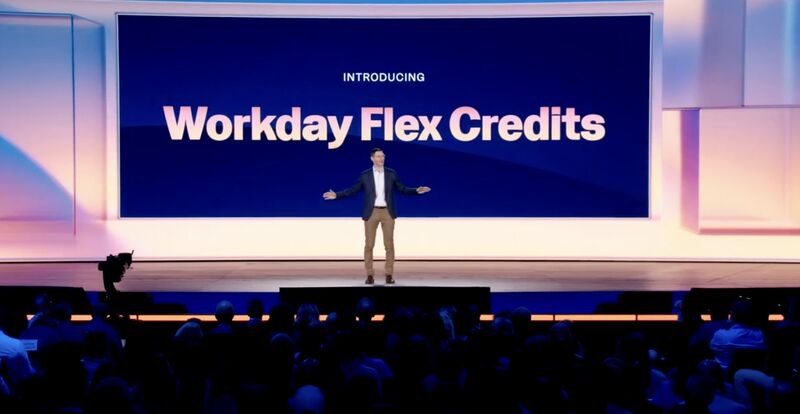
Workday is making a decisive move to ensure its customers aren’t left behind with AI transformation. By fundamentally changing how organizations access and consume its AI capabilities via Flex Credits, Workday is removing traditional barriers to entry. To make the transition easier, Workday is offering its customers a free promotional period.
For business leaders, this means a rare opportunity to pilot cutting-edge automation with minimal financial risk. Here is what the new access model looks like, why it matters, and how you can capitalize on it.
1. Executive Summary: The TL;DR for Leaders
If you only have a minute, here is the essential takeaway: Workday is simplifying how customers access its AI, agents, and platform capabilities.
- Lower Barriers: The Universal Marketplace Services Agreement (UMSA) is now the primary requirement for initial access, bypassing complex platform policy negotiations.
- Free Promotion: Workday is offering free promotional access to key AI tools from late May through August 2026.
- New Model: Future usage will be driven by “Flex Credits,” a consumption-based model. Instead of procuring licenses for individual features, users draw from a single, centralized pool of prepaid credits.
- The Bottom Line: There has never been a lower-risk, higher-reward time to pilot Workday AI use cases within your organization.
2. What’s Changing (In Plain English)
Workday is transitioning from a traditional licensing framework to a more agile, consumption-based model. This evolution unfolds across three core areas:
Easier Access to AI and Agents
Securing approval for new software can take months. Workday has cut through this friction by allowing organizations to unlock Sana for Workday, the Self-Service Agent, and the Planning Agent (for Adaptive Planning users) simply by signing the UMSA.
The Free Promotional Window
To accelerate adoption and encourage experimentation, Workday is providing a temporary free access period running from late May through August 2026. This allows teams to test capabilities and build internal business cases before committing financially.
Flex Credits as the Consumption Model
Moving forward, AI and agent usage will consume Flex Credits. To help you get started, Workday is provisioning complimentary credits. Organizations can easily track their usage and burn rate via the Platform Consumption Console (PCC).
3. Why Workday Is Making This Change
This isn’t just a pricing update; it’s a strategic pivot. Historically, enterprise software required upfront financial commitments based on estimated value. By shifting to a usage-based model, Workday aligns its commercial success directly with the value you receive.
This model removes the friction of AI adoption, allowing organizations to discover real-world use cases and measure ROI before scaling. It reflects a broader tech industry movement toward utility-based consumption—you pay for what you actually use.
4. What This Means for Your Organization
This new model introduces significant opportunities, but it also requires a shift in how you manage your Workday ecosystem.
The Opportunities
- “Try Before You Buy”: Test sophisticated AI capabilities without an upfront capital expenditure such as the Payroll AI Agent or the Developer Agent
- Low-Risk Pilots: Identify and automate high-value, repetitive workflows—such as HR self-service inquiries, financial planning insights, and operational data validation
The Implications
- Finite Resources: Because credits are finite, usage now carries a direct cost profile
- Governance Matters: Monitoring agent activity and user adoption becomes critical to avoid unexpected credit depletion once the promotional window closes
5. How Flex Credits Work
The mechanics of the new model are designed to be transparent and manageable:
- Consumption: Credits are consumed automatically when AI agents perform tasks in your production environment
- Complimentary Baseline: Your organization will receive an initial allotment of complimentary credits to kickstart your journey
- Proactive Alerts: The system provides built-in alerts as you near your credit limits, preventing sudden service interruptions
- Scaling Up: Purchasing additional credits will require a policy agreement update and a standard purchase order
6. Your Action Plan: Recommended Next Steps
To maximize this promotional window and avoid common pitfalls like treating this as a temporary “free tool” without a long-term strategy we recommend a structured approach:
- Confirm Readiness: Verify that your legal team has signed the UMSA and ensure AI capabilities are safely enabled in your preview or production tenants. See our prior blog post for more details
- Identify High-Impact Use Cases: Focus on high-volume, repetitive processes with easily measurable ROI, rather than over-scoping complex workflows early on
- Pilot Early: Use the summer promotional period to gather data, test employee adoption, and build internal champions
- Establish Governance: Define clear ownership, usage policies, and key performance indicators (KPIs) to monitor credit consumption from day one
- Plan for Scale: Use the pilot data to project future credit consumption and align your future Workday budget accordingly
7. How Teamup9 Can Help
Navigating a new consumption model while deploying AI agents can feel overwhelming. At Teamup9, we specialize in turning Workday capabilities into tangible business outcomes.
We can partner with your team to handle the heavy lifting:
- AI & Agent Activation: Ensuring your tenant configuration is optimized and secure
- Use Case Prioritization: Helping you select the specific workflows that yield the highest return during the free window
- Flex Credit Modeling: Analyzing your pilot data to accurately forecast future credit needs and prevent budget surprises
- Governance Design: Setting up the operating models and monitoring frameworks required for long-term success
Ready to take the next step?
This promotional window is a unique opportunity to innovate at low risk. Don’t let the timeline slip away. Contact Teamup9 today to schedule a strategy session, and let’s build a clear, scalable roadmap for your Workday AI journey.