


For many HR Business Partners (HRBPs), the “P” in their title feels less like “Partner” and more like “Processor.” Instead of sitting at the table helping business leaders navigate complex organizational changes, many BPs find themselves trapped in “report-request hell.”
If your day is consumed by pulling manual turnover reports, correcting transaction errors for managers, or acting as a human go-between for promotions and transfers, you aren’t alone. However, you aren’t being utilized for your highest value, either. To shift from a reactive support role to a proactive advisor, the operating model must change from manual data gathering to leveraging real-time insights.
The Problem with the “P” in HRBP
In theory, the HR Business Partner is a strategic architect. In practice, they often serve as a high-level administrative assistant to the system. When a manager needs to know their current headcount or wants to initiate a promotion, the HRBP is frequently the one who has to go into the system, pull the data, and manually shepherd the transaction through.
This reactive cycle creates a bottleneck. It limits the HR Business Partner’s ability to look at the “why” behind the data because they are too busy trying to find the “what.” Validating this frustration is the first step toward change: you cannot be a strategic partner if your primary tool is a spreadsheet and your primary task is data entry.
Your New Operating Model in Workday
The transition to a strategic partner requires a shift in how you interact with your technology. In a Workday-driven environment, the goal is to decentralize transactions and centralize insights.
- Manager Self-Service (MSS): This is the foundation of HRBP freedom. By empowering managers to initiate and approve their own transactions—such as promotions, compensation changes, and time-off requests—within a controlled, guided framework, the HRBP is removed from the administrative middle.
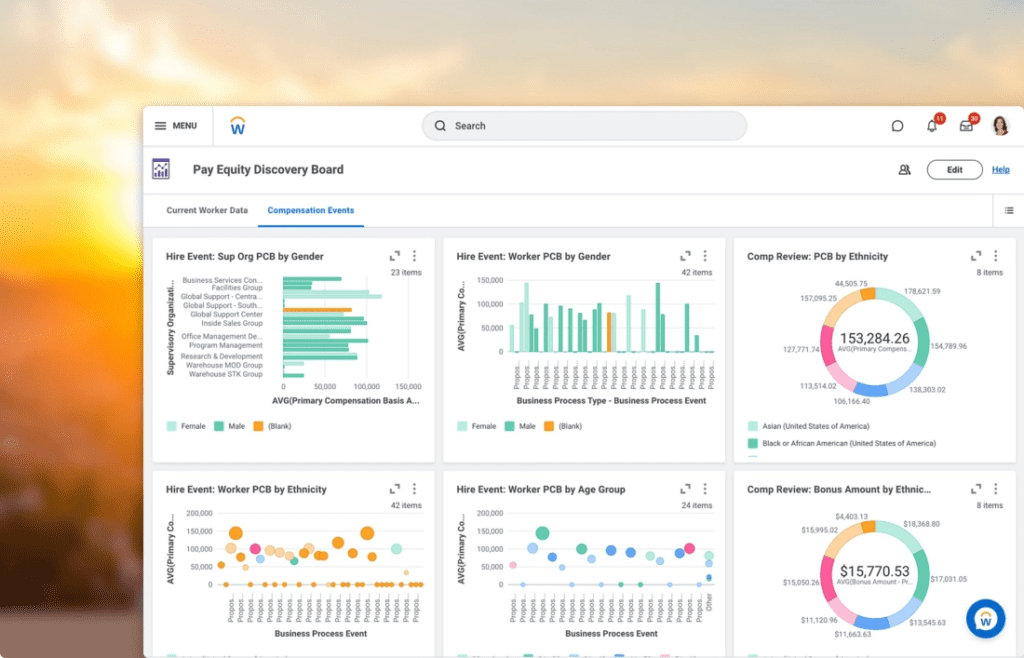
- Workday HCM (Reporting & Dashboards): This provides a “single pane of glass” for your client group. Rather than pulling static reports once a month, you have access to real-time headcount, open roles, and turnover trends.
- Workday Talent & Performance: This module allows you to facilitate talent reviews and succession planning directly within the system. Instead of managing these processes via email, the HRBP can lead calibration sessions using data that is already live and accurate.
Dashboards that Drive Decisions
When you stop being the person who gets the data, you become the person who interprets it. Imagine entering a meeting with a business leader and opening a “Business Unit Health” dashboard rather than a slide deck. This dashboard allows you to drill down into specific teams to identify span-of-control issues or high-performer flight risks before they become exit interviews.
By focusing on specific KPIs, you can measure your own effectiveness in this new role:
- HR Business Partner Time Allocation: A shift in hours spent on strategic advisory versus administrative processing.
- Manager Self-Service Adoption: Tracking how effectively leaders are managing their own teams within the system.
- Regrettable Turnover: Identifying trends in key talent loss within specific business units.
- Succession Plan Coverage: Ensuring that critical roles have identified, ready-now internal candidates.
Conclusion: Become the Partner You Were Meant to Be
True strategic partnership isn’t about working harder; it’s about working with better tools and clearer boundaries. When the Workday platform handles the transactions and the data flows automatically, the HRBP is finally free to focus on coaching, workforce planning, and culture-building—the work that truly drives the business forward.
Are your HRBPs spending more time in spreadsheets than in 1:1s with leaders?
At Teamup9, we help you unlock the full power of Workday’s self-service and analytics. We specialize in streamlining your processes and optimizing your dashboards, transforming your People Partners into the strategic advisors your organization needs.